
Skip to product information

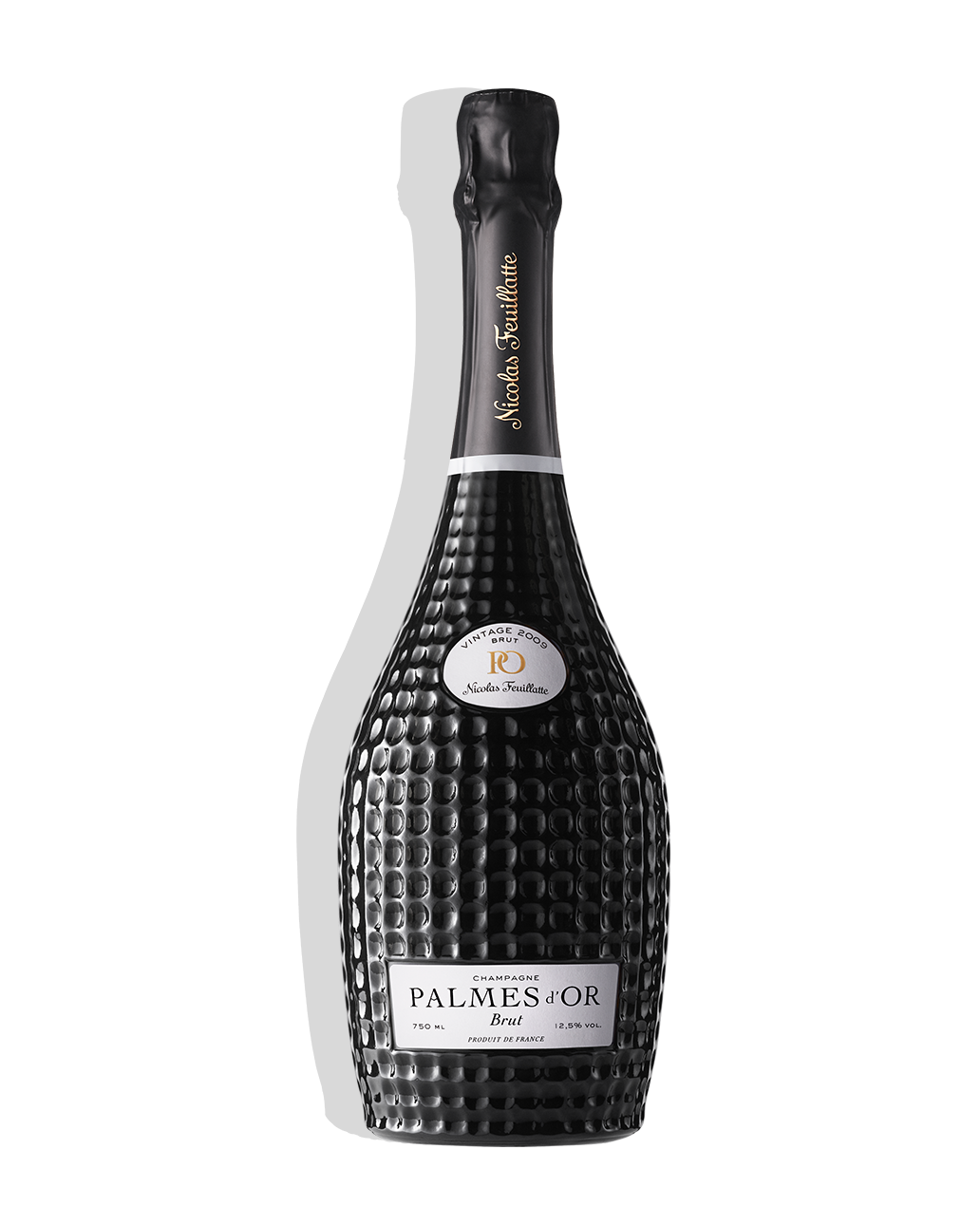
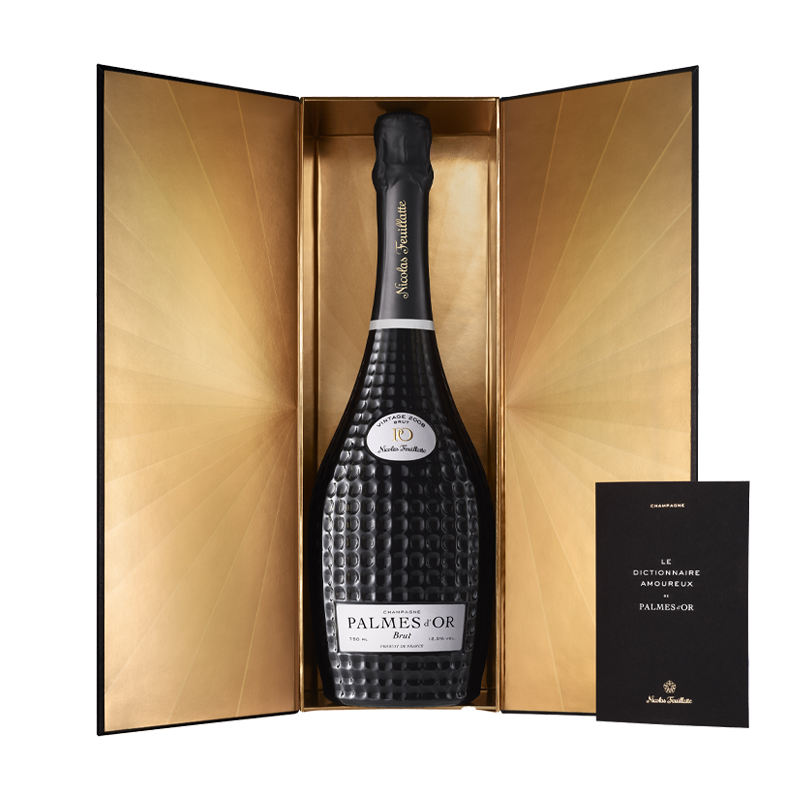
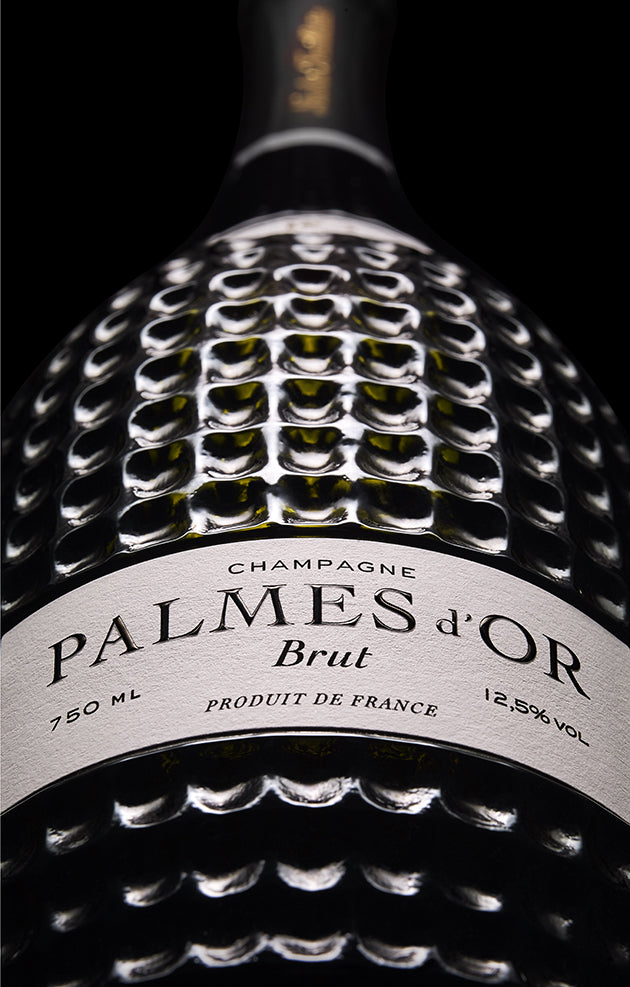
Palmes d'Or 2008 Brut

An exceptional vintage

131,00€

You need 150,00€ more to benefit from free delivery!

Complete with:
Palmes d'Or 2008 Brut

  • 50% chardonnay
  • 50% pinot noir

Elaboration

An equal part-blend of two iconic Champagne grape varieties, Palmes d’Or Brut is the unique alliance of the most expressive grapes from a single harvest year and the mastery of Chief
Winemaker Guillaume Roffiaen.
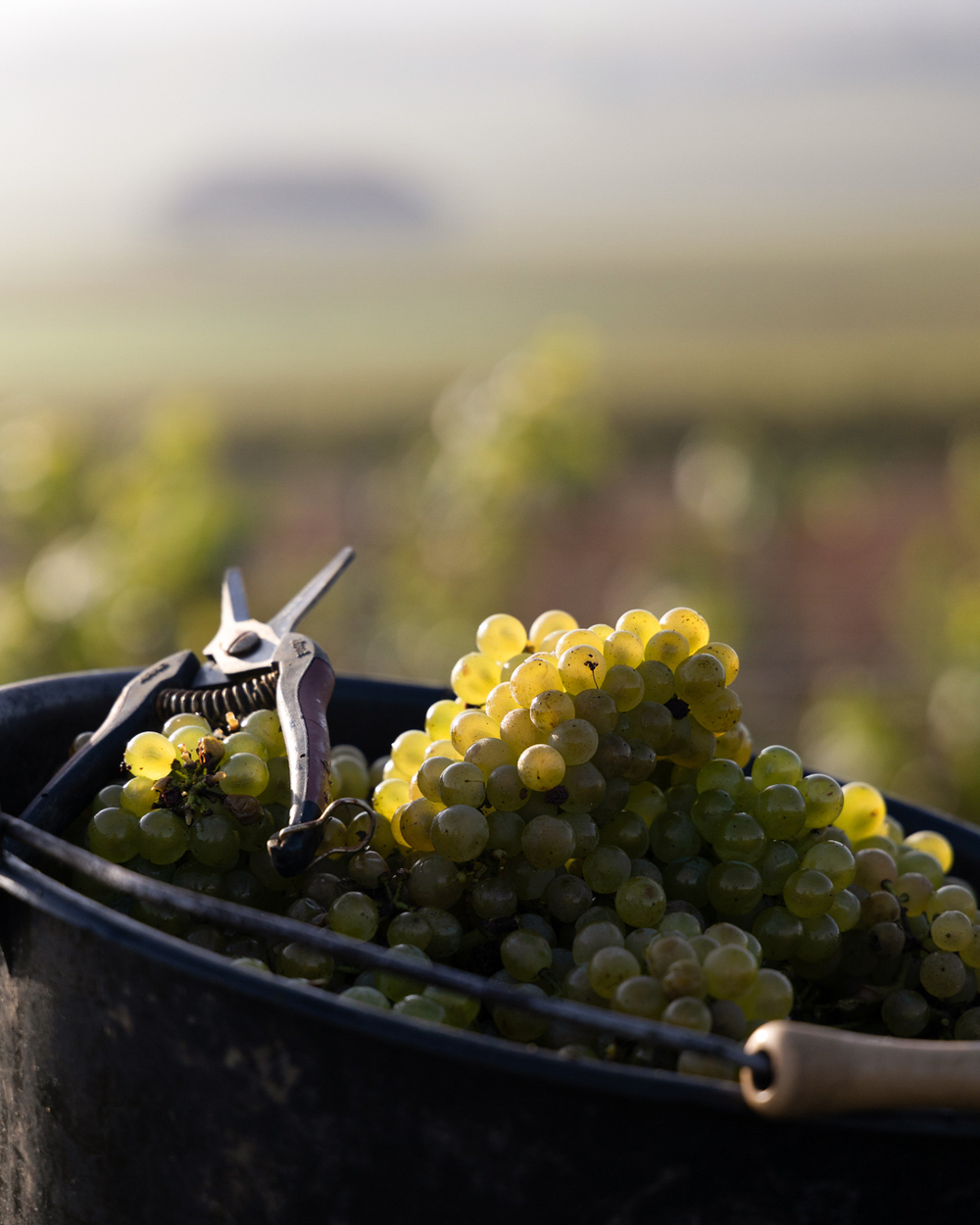
For this high-ranking head-to-head, the Grand Crus from the Côte des Blancs and Montagne de Reims enter the ring. Selected for their freshness,
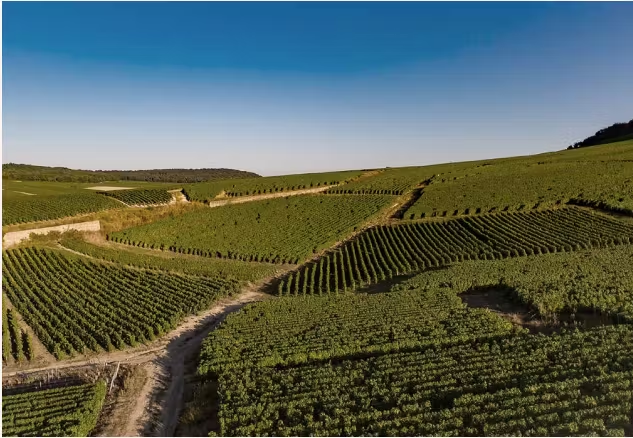
elegant, gossamer-light, distinguished Chardonnays from Avize, Oger, Cramant and Mesnil-sur-Oger vie with fleshy, broad-shouldered Pinot Noir from Ambonnay, Tours-sur-Marne, Aÿ-Champagne, Verzy and Verzenay.
For longer than a decade, a silent confrontation between grape variety and birthplace has been at play. In this subtle battle, where each grape seeks
to shape its strength and character, the diplomatic Chardonnay from the south of the Appellation enters the field.
Elegant and refined, Chardonnay from Montgueux is the obvious mediator in this discord. Bringing greater soul to this prestige cuvée, its unusual
exotic fruit flavours temper acidity and impart harmony and balance to the heart of this dual.

Aged in the cellar for nearly ten years.

Excellent aging potential.

Tasting Notes

A

A Champagne of unique character

  • A pure gem, an ode to beauty.
    Rested in the cellars for almost a decade.
    • 95% of wines sourced from Grand Cru vineyards, a blend of Pinot Noir and Chardonnay in equal measure.
    • A defining feature: Chardonnay from Montgueux, more tropical, fleshy and intense in character,
    and imparting its aromatic patina and cohesive qualities.

Tasting Notes

Aromas of bracingly fresh white fruits, dried almonds and apricots, and a slight hint of spice.
Upfront, permeating flavours of redcurrant and citrus fruits. A second wave of Pinot Noir freshness and streak of minerality, underpinned by a distinctive chalk signature and acutely delicate smoky edge.

About the 2008 vintage

This was the coldest year of the decade, marked by late flowering, followed by remarkable fruit ripening. Grapes in pristine condition offered delicate, nuanced aromas, the sign of great potential in years to come. This linear, well-balanced vintage has forged wines for ageing, built for the future; whose aromas will reach a dramatic crescendo as they come to the fore.
A vintage calling for patience, slowly developing over time, distinguished and refined.
Today the wines linger in the bloom of youth, delivering notes of dried flowers and the gentle touch of gossamer bubbles, while elegantly structured and linear on the palate.

Food Pairings

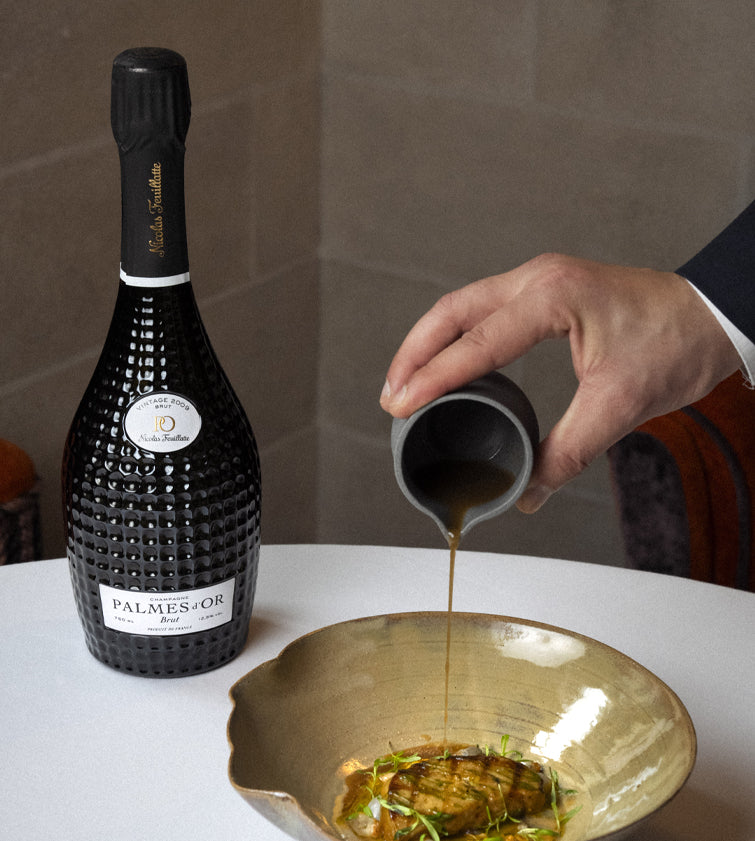
With its complex structure and supreme finesse, this fine wine from Champagne is a heavenly match to refined dishes.

  • Magnificent on its own!
  • Truffles
  • Parmesan
  • Foie gras au natural with pepper
  • Salmon gravlax

A Champagne to be savoured with abandon, not revered from afar. Appreciate Palmes d’Or for all that it is: a fine and noble wine, in all its simplicity.

Frequently Asked Questions

What is a vintage champagne ?

A vintage champagne is made exclusively from grapes harvested in a single, exceptional year. Unlike non-vintage champagnes, which are blends of wines from several years, these bottles capture the unique essence and reflect the climatic characteristics of their year, offering depth and aromatic complexity that evolve over time.

These bottles are, by definition, rarer.

How long can champagne be stored?

Unlike some wines, champagne is not designed to age indefinitely. However, certain bottles can be kept for several years under optimal conditions.

  • Non-vintage champagne: This type of champagne is generally ready to drink as soon as it is purchased and can be kept for around 2 to 3 years without any loss of quality.
  • Vintage champagne: These champagnes, produced from a single exceptional harvest year, have a longer aging potential. They can be stored for 5 to 10 years, or even longer, depending on the initial aging time of the cuvée.

In both cases, it is important to consume the champagne before its quality begins to decline. The delicate aromas and effervescence can diminish over time, even under the best conditions.

How should I store my bottle of champagne?


To preserve your champagne quality, it is important to store it away from light, at a constant temperature (ideally between 10°C and 12°C). Storing bottles horizontally is ideal to ensure that the cork remains in contact with the liquid.

A well-ventilated cellar with a humidity level between 70% and 85% is the best option.

At what temperature and how should champagne be served?

Depending on when you plan to drink it, the ideal temperature ranges from 7 to 12 degrees Celsius. For an aperitif, a cool temperature of between 7 and 8 degrees is best. For meals, a temperature between 10 and 12 degrees is fine.

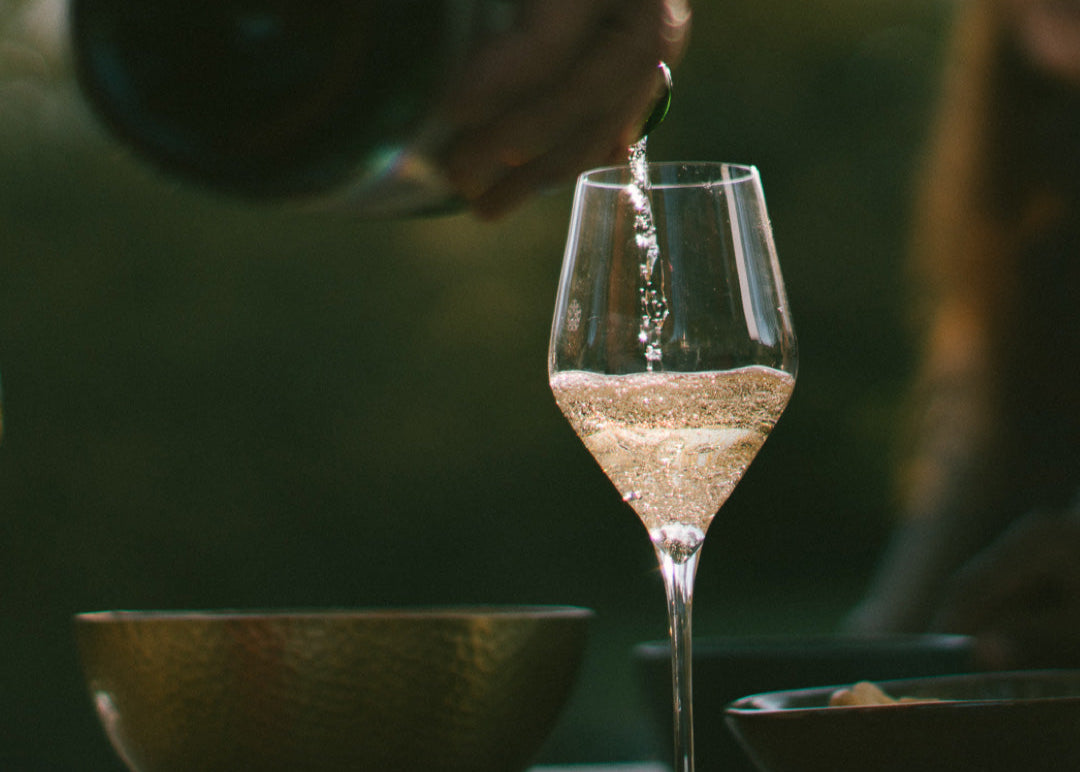
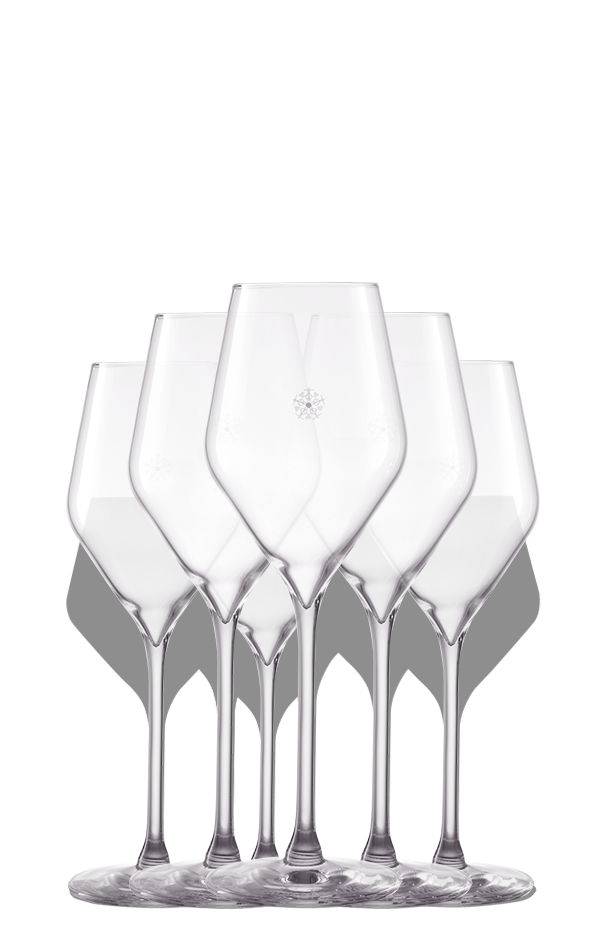
Serving champagne: hold the bottle by the base and pour the champagne gently in several stages if necessary. Ideally, champagne should be served in a specific glass, such as our "Absolu" glass.

Where is Nicolas Feuillatte located?

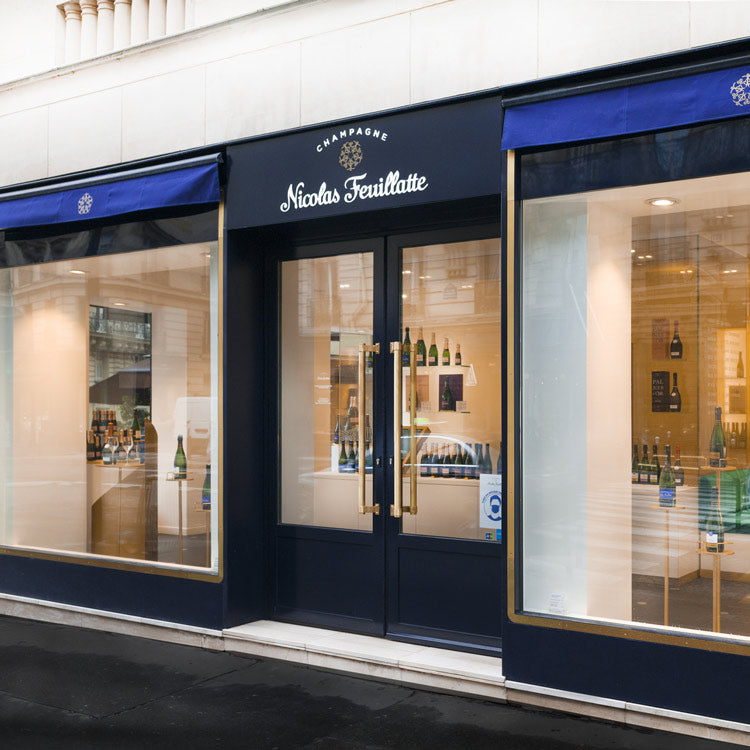
We're located in the heart of our beautiful Champagne region, right next to Epernay, the capital of Champagne ! A 10 minutes car or taxi drive will take you from central Epernay to us.

Please note we also offer a shuttle service with our "Tasting Experiences" (including Blind tasting Experience or with our brand new Chronothèque Experience.) You'll find more info by clicking here

A responsible style

About your bottle

We invite you to learn more about your bottle, its composition, recycling, and our recommendations for informed consumption.

Learn more

Dosage for Champagnes

This process involves adding sugar and reserve wines at the time of disgorging, with the amount of sugar varying according to the desired champagne category (from Brut to Demi-Sec). At Nicolas Feuillatte, the choice of wine is essential because it adds the finishing touch to the cuvée, balancing it and allowing its texture and tone to be adjusted.

This wine will always be adapted to the cuvée to guarantee its unique style.

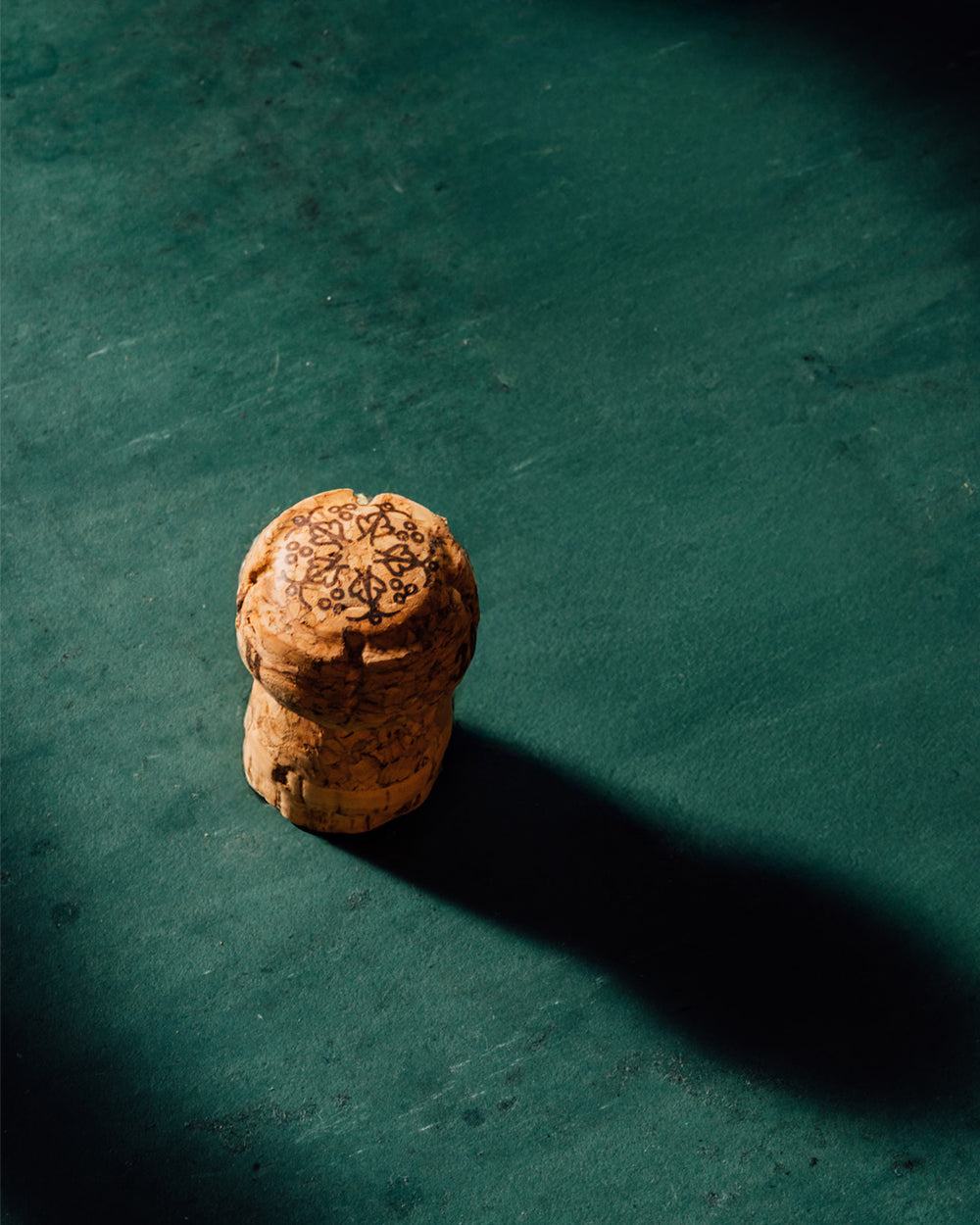
Cork recycling

We collect corks to recycle them into acoustic and thermal insulation panels. The proceeds from the sale of the corks help to finance the integration of people with disabilities.

Sustainable viticulture

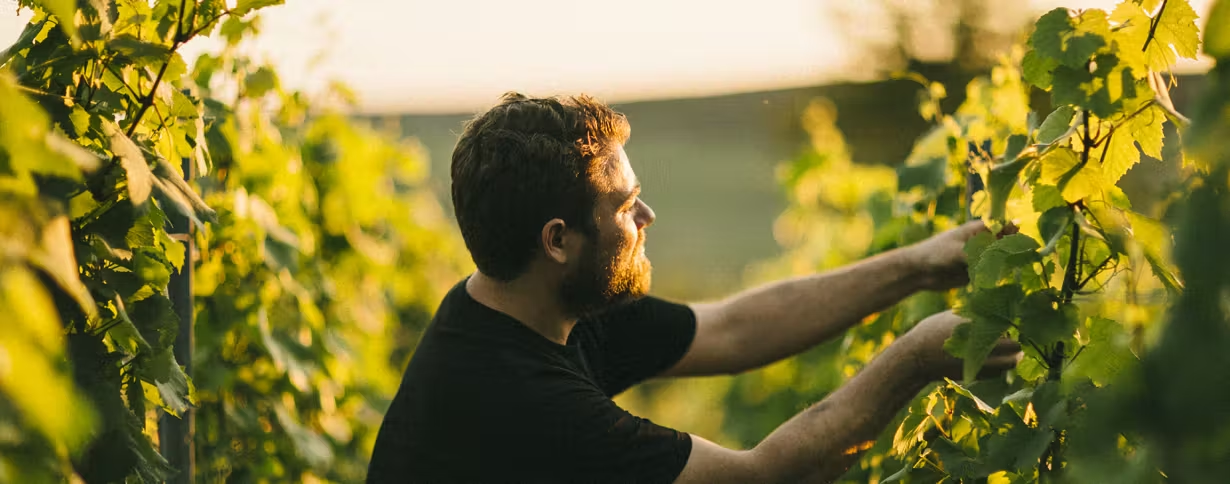
We are committed to supporting and helping our member winegrowers develop sustainable viticulture. Since 1998, we have been offering our member winegrowers a free technical viticulture advisory service to inform them about and support them in adopting new, environmentally friendly techniques.

" The quintessence of Nicolas Feuillatte style "